FET Audio | Hi-End Audio & Electronics DIY Electronics & Repair

October 27, 2009

PCM1704 to PCM63 Converter BD

Filed under: DAC — Spencer @ 10:43 pm

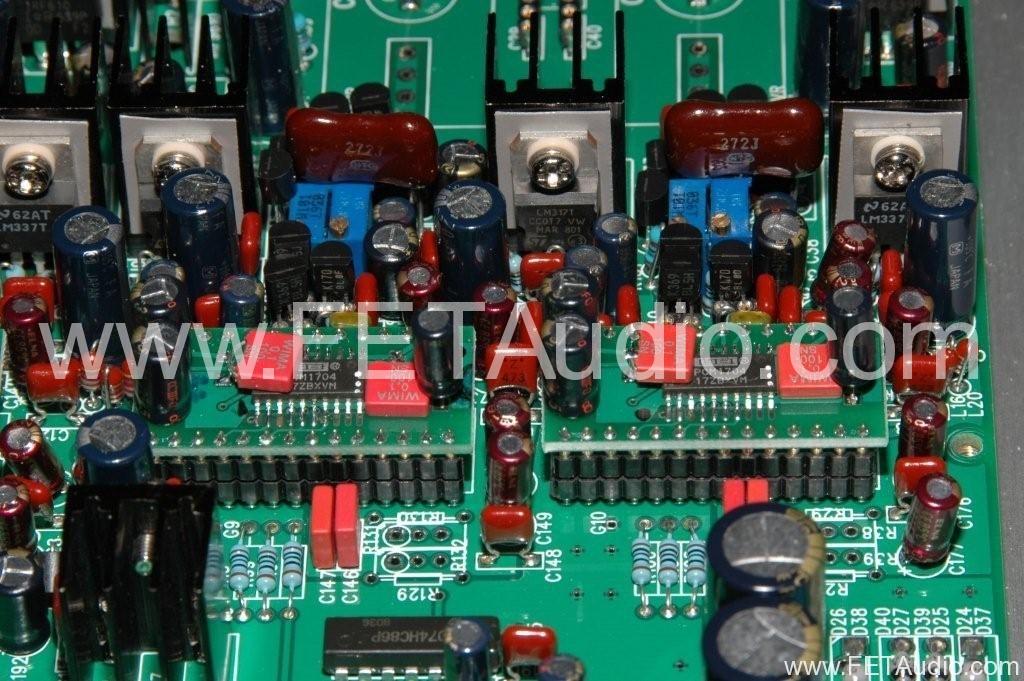
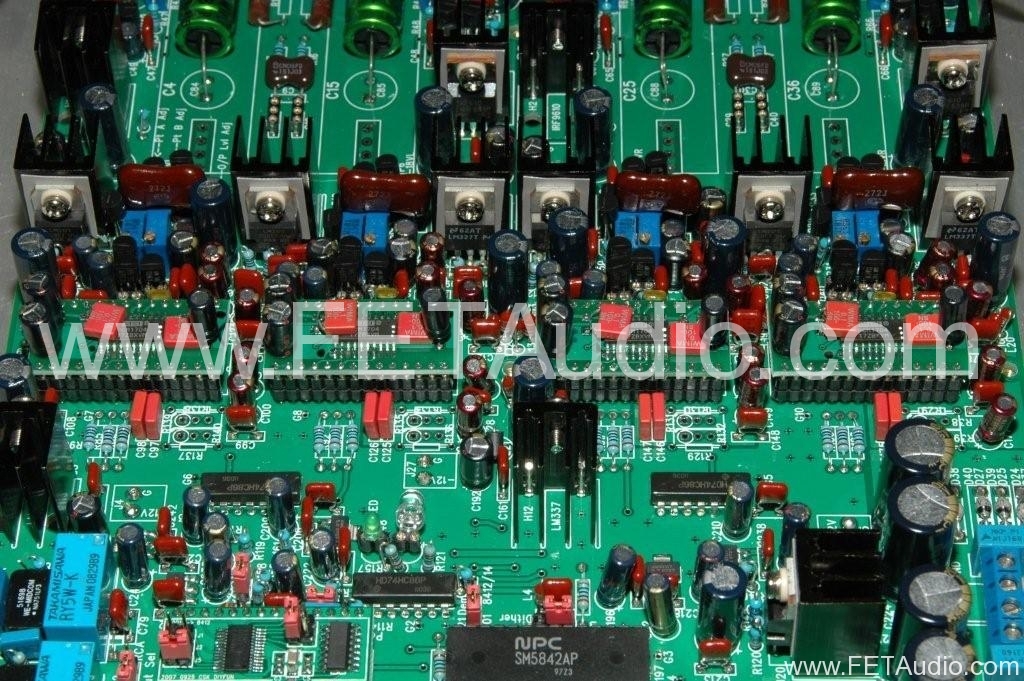
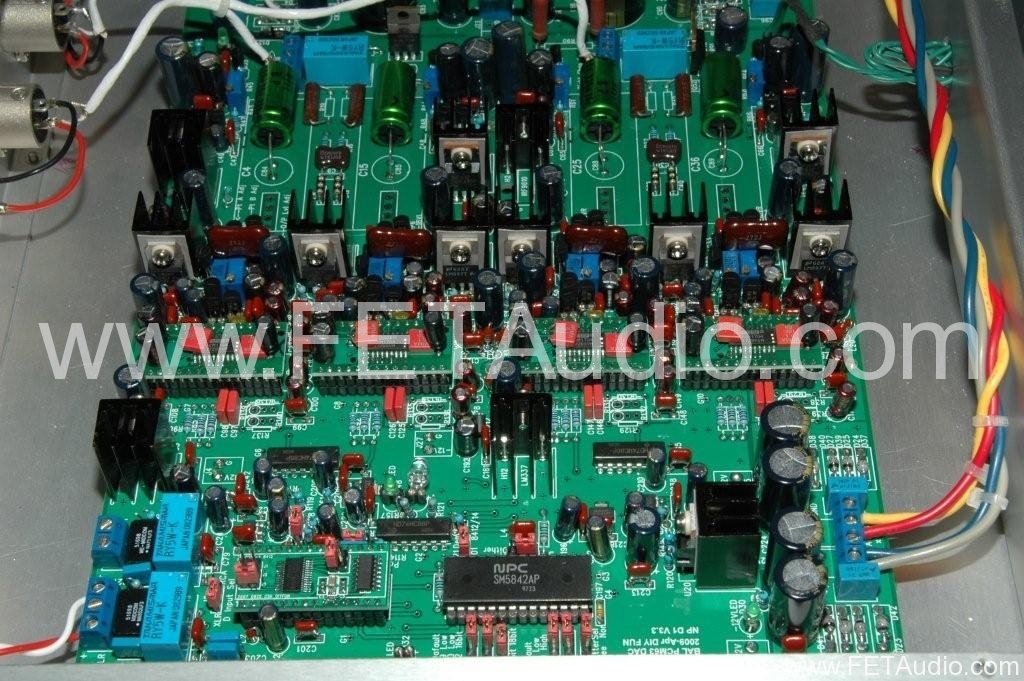
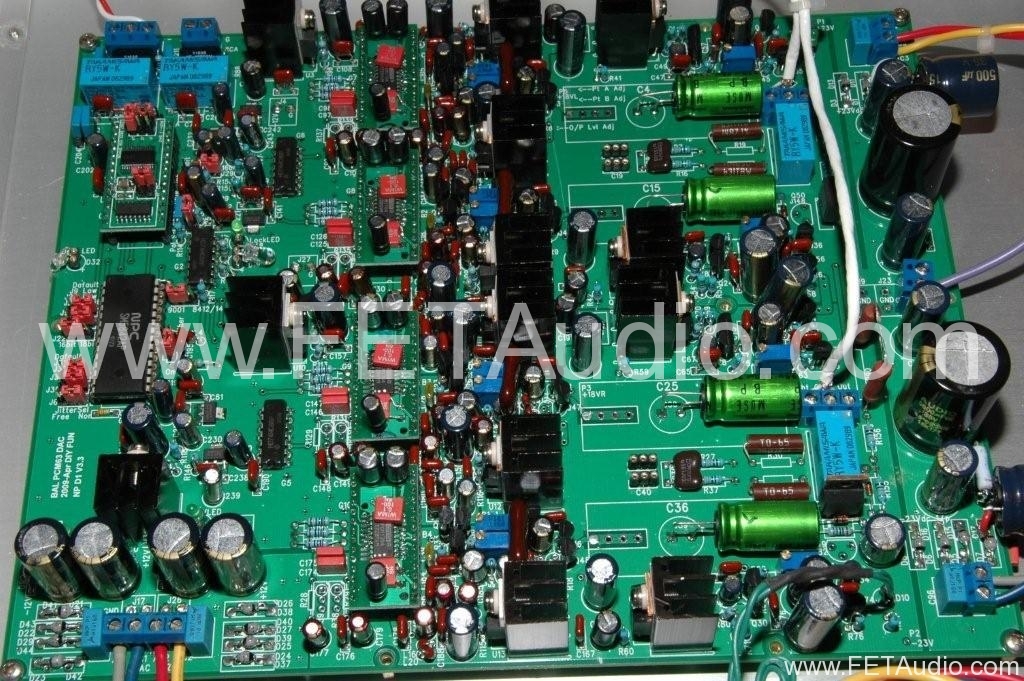
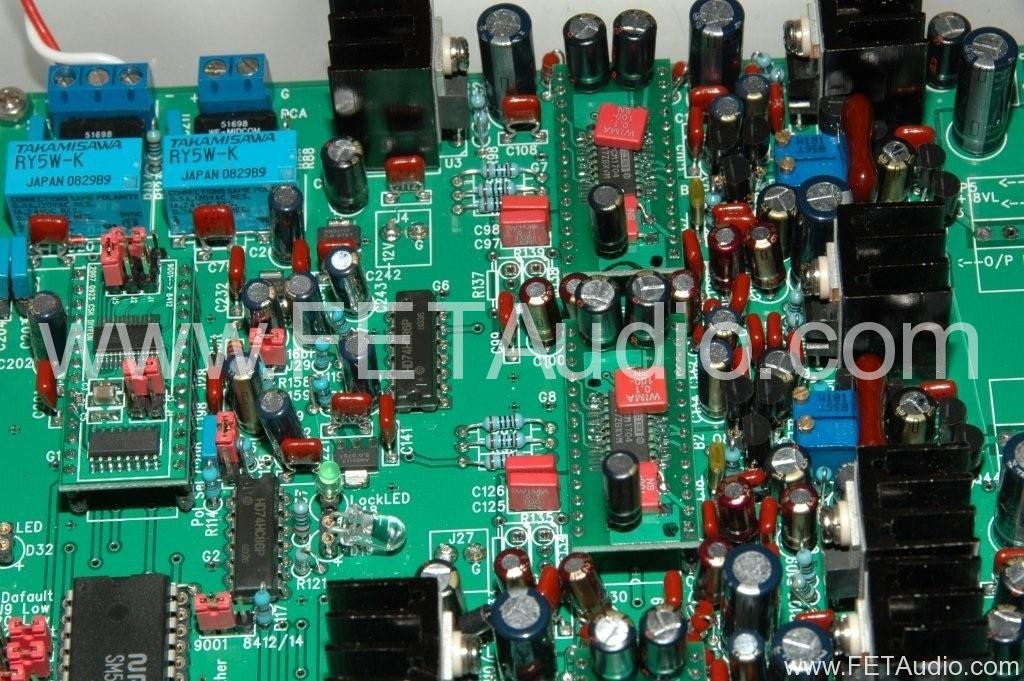
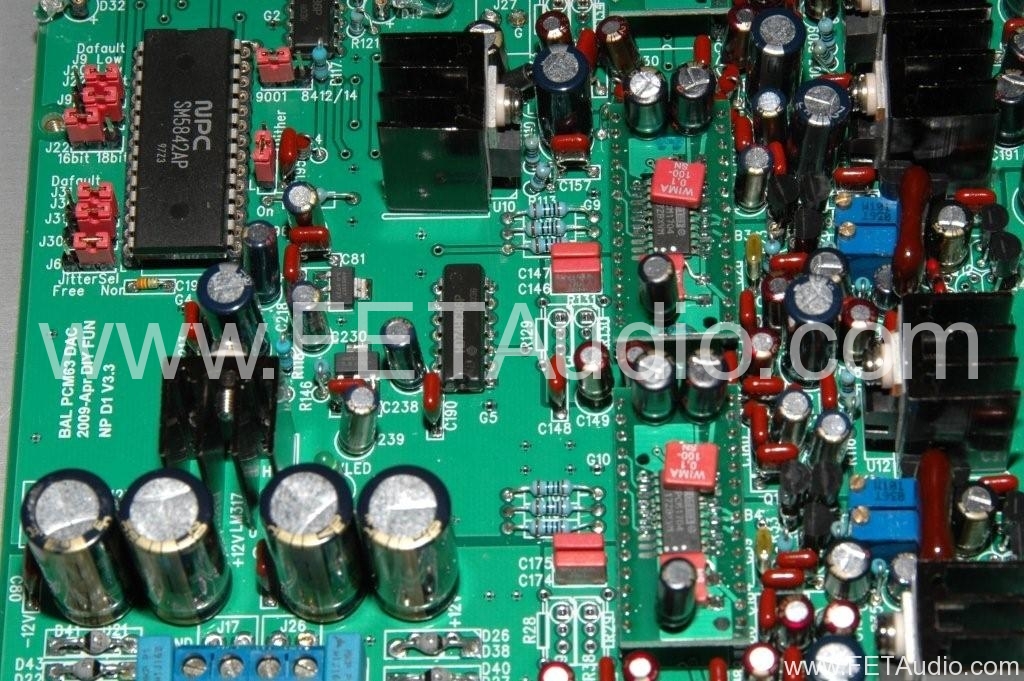
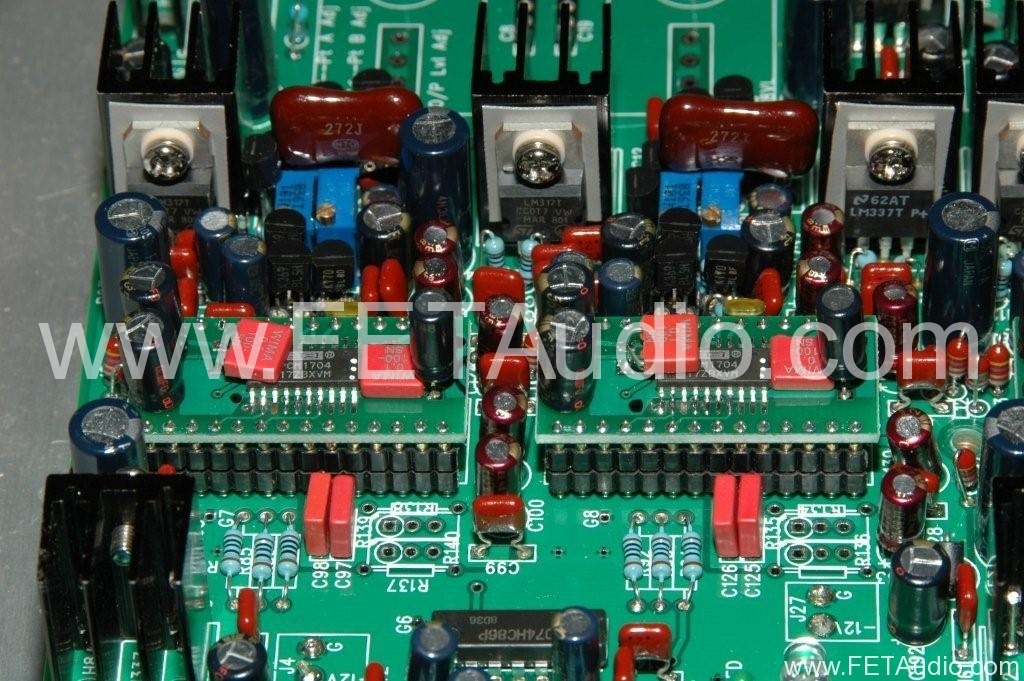
Since I have a PCM1702 to PCM63 converter board pcb, I have put a PCM1704 on same adaptor board for testing purposes.  The only difference is two supply pins +/-5V need to be reversed.  Thus I do cut trace and add two hard wires at the bottom of the board to fit the supply reverse for PCM1704 DAC chips.

For Capacitor, I use Panasonic FC and also Wima MKS film capacitor for supply decouple as in the pictures.

For PCM1704, the noise floor is a bit lower as you can see from the FFT measurement.
D1V33 FFT with PCM1704

D1V33 FFT with PCM63 lin

Related Images:

October 20, 2009

All Jfet Buffer Balance Line Amp

Filed under: Other Amplifiers — Spencer @ 10:21 am

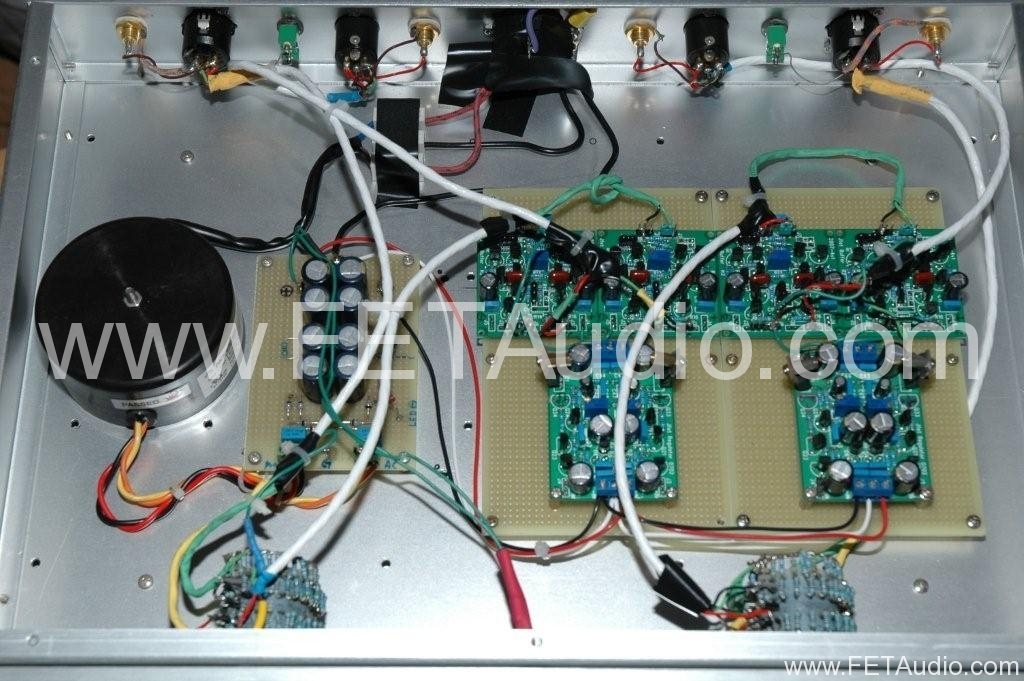
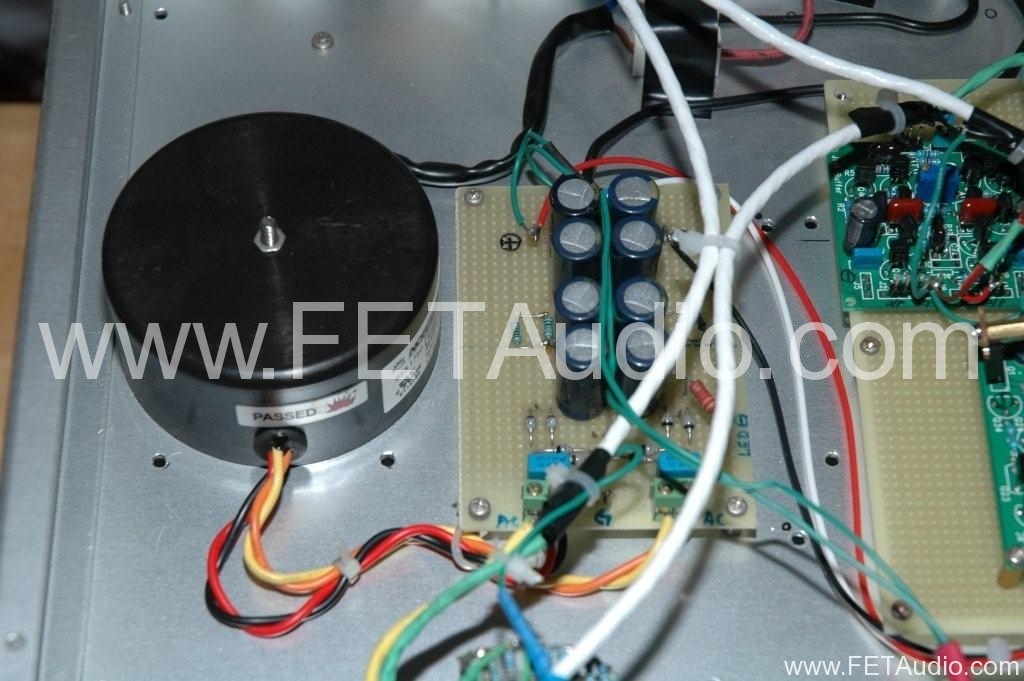
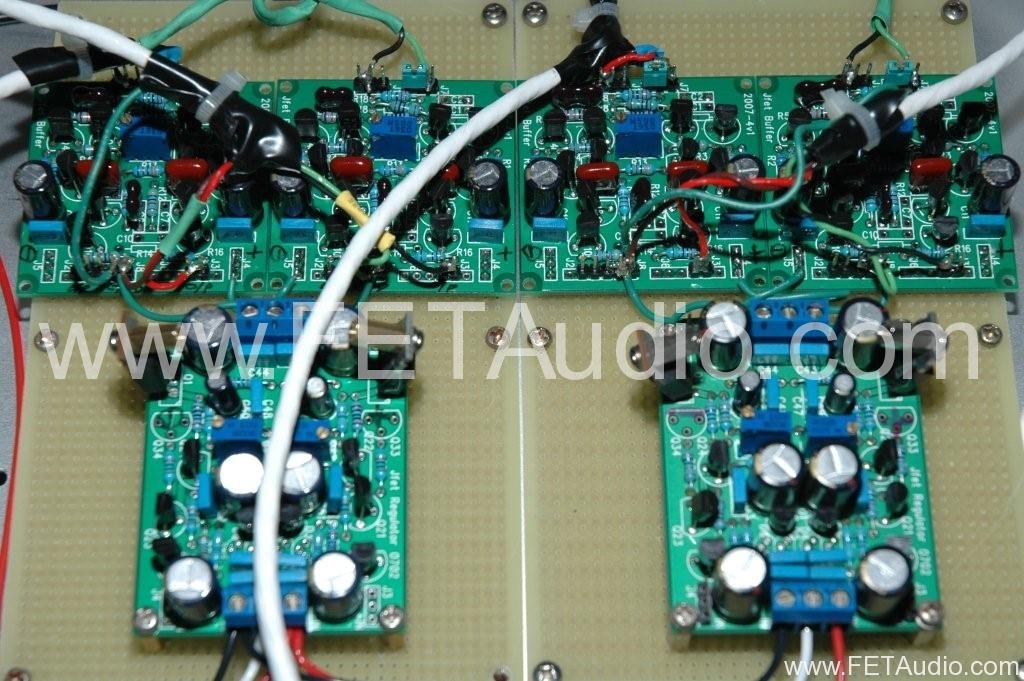
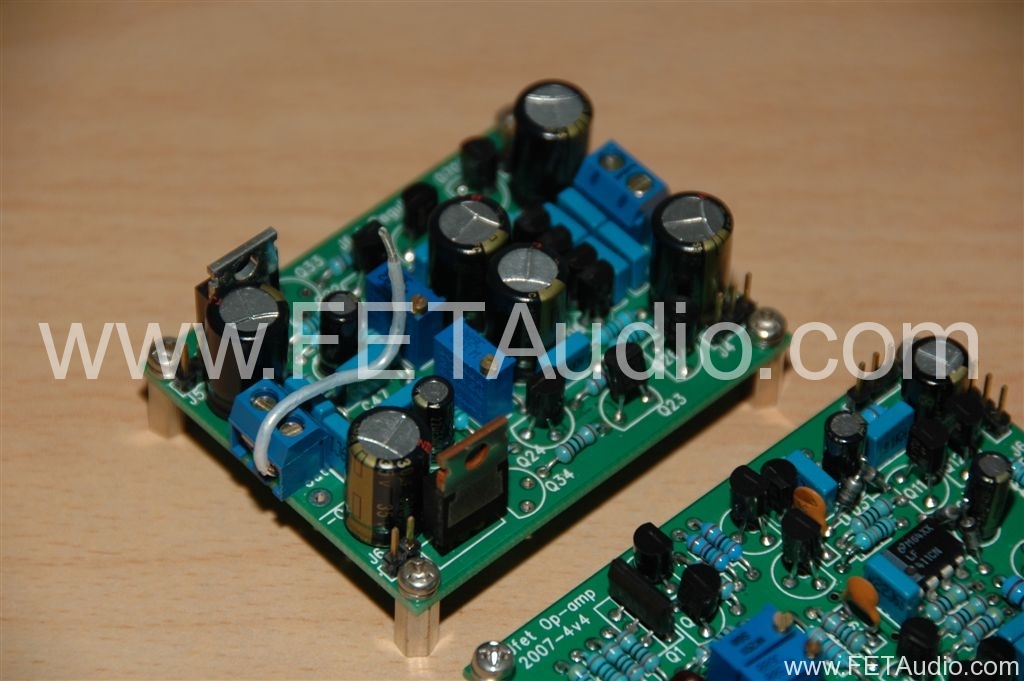
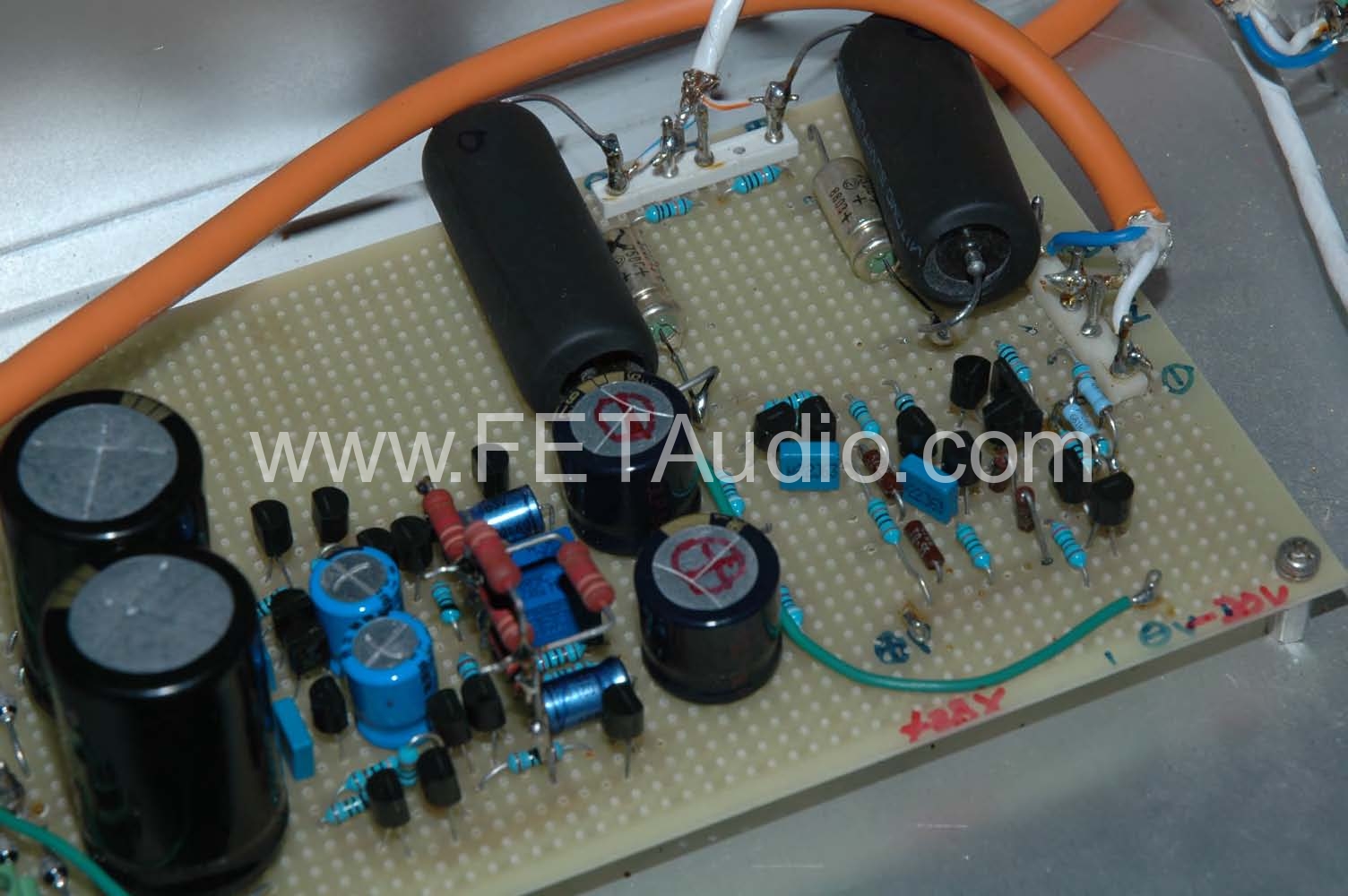
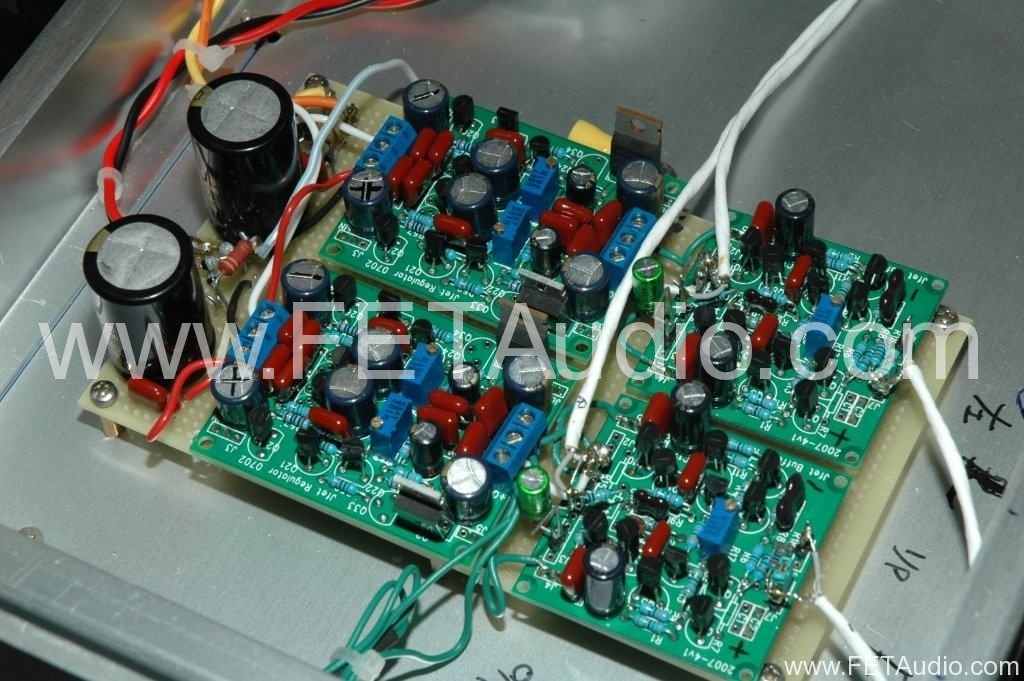
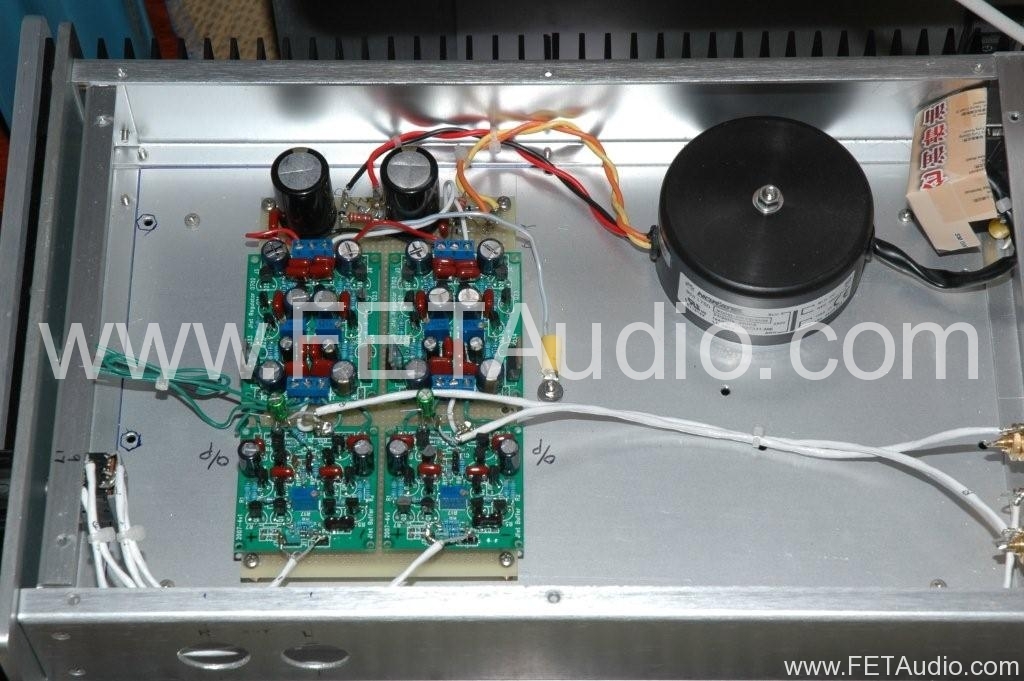
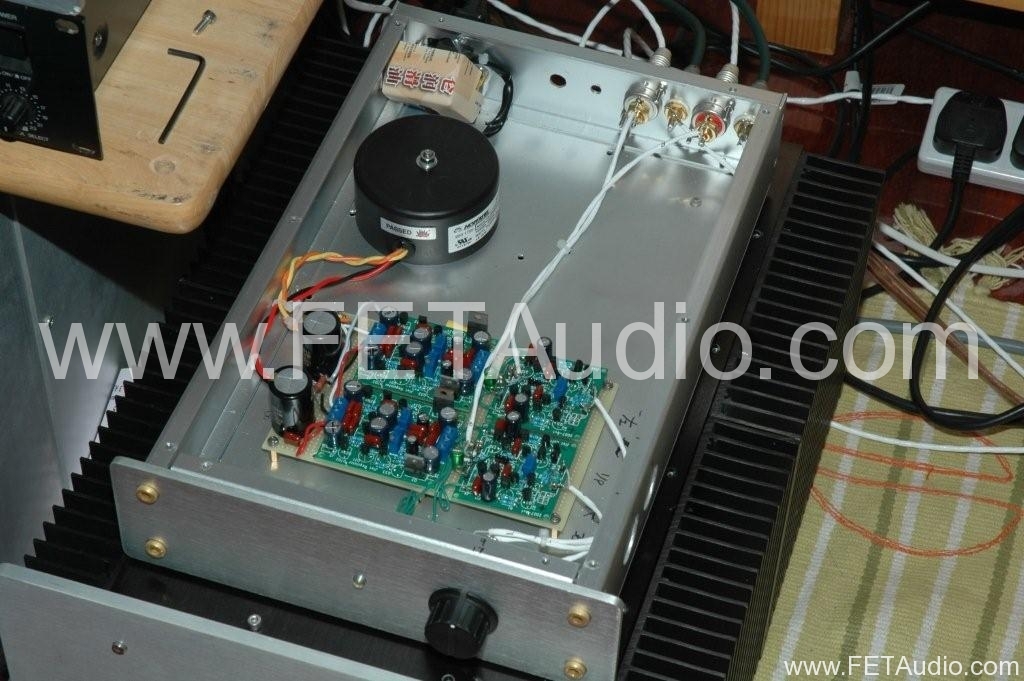
This is also Borbely Erno Design Jfet Buffer and I use this to make my pre-amp.  I use two low noise regulator and 4 buffer module to become a full balance pre-amp.  The sound is very good and distortion is also very low.  I have tried to use a transistor second stage but the sound become aggressive and harsh.  Thus all Jfet is my choice!

Jfet buffer Circuit

Jfet regulator Circuit *updated on Dec 23, 2009*

Jfet Buffer PCB Errors *updated on Jan 15, 2010*

FFT jfet buffer xlr log at 2V

FFT jfet buffer xlr log at 10V

Update on Oct 20:  After redo a bit on the wiring of power supply and put a NTC from star ground to the casing, the distortion has improved to below 0.0001% at 10Vrms output balance mode.  Distortion is also very low at 0.0026% at 1Vrms output.  The good thing about this pre-amp is that the higher the output level, the lower distortion it will be.

Some FFT measurement after improvement:

FFT jfet buffer xlr at 1V

FFT jfet buffer xlr at 10V

Related Images:

October 19, 2009

All Jfet Line Amp with NO FEEDBACK

Filed under: Other Amplifiers — Spencer @ 7:21 pm

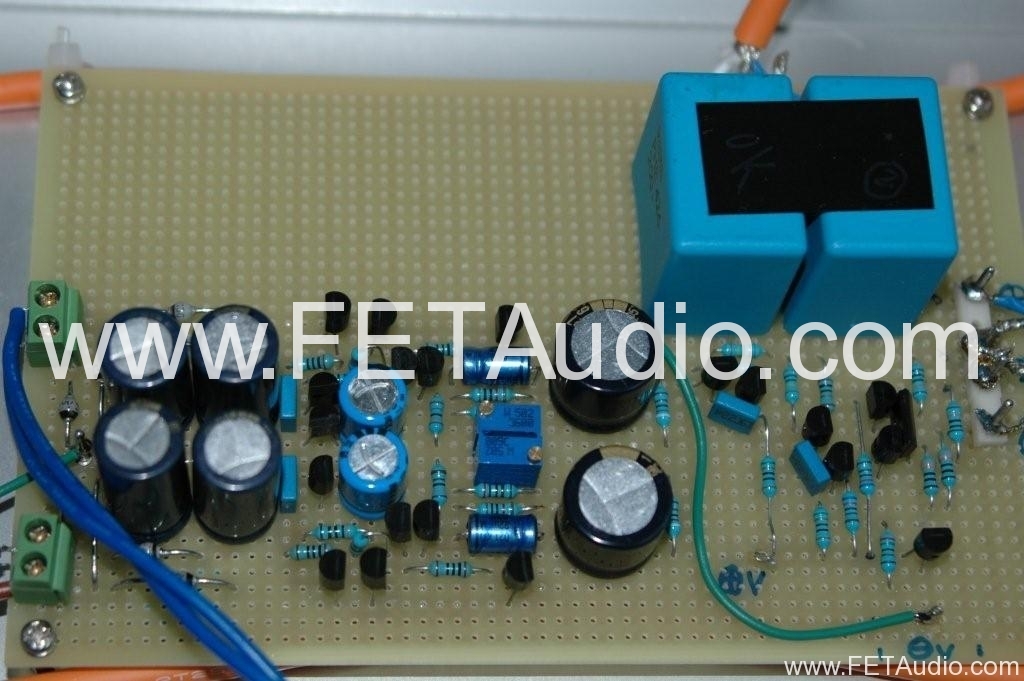
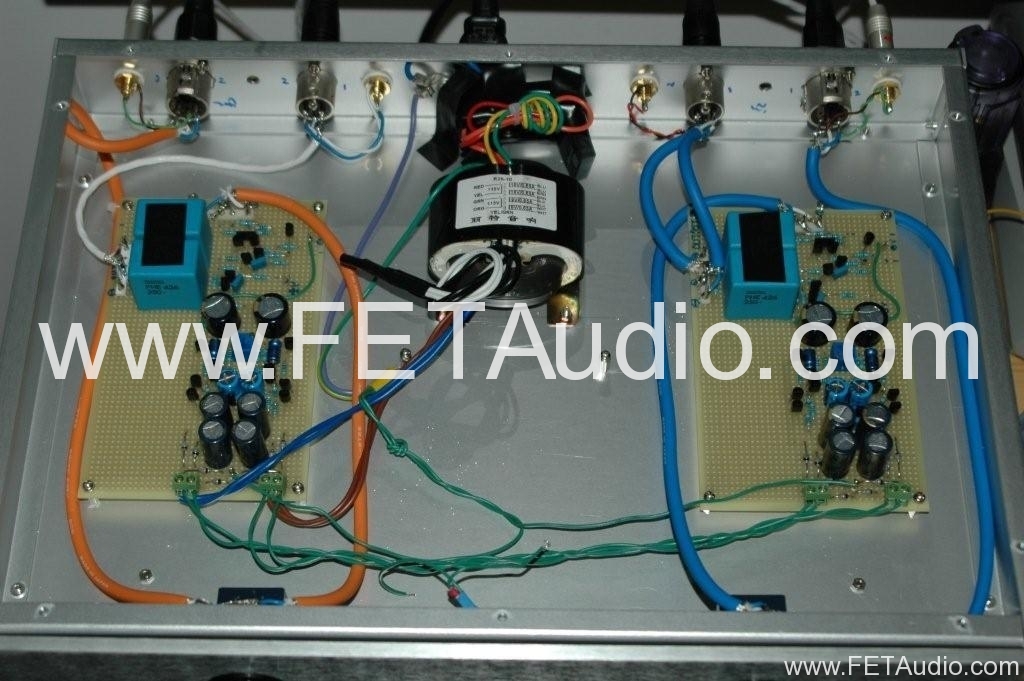
This is a Borbely Erno design SE all jfet line amp in one of his article.  I have been using this as a pre-amp since 2006 with Pass power amplifiers like Aleph 60,  F4 & F5.  The gain of this pre-amp is quite high and thus it can be used to drive F4 to sufficient loudness.

The distortion level is also very low at around 0.003% at 1V and 0.026% at 4V output at balance mode.  I am only using +28V dc due to transformer only at 25V x 2 AC.

This pre-amp sound very smooth due to no global negative feedback!  But you see the distortion will increase quite fast as the output level increase!

Last update: 20th Sept, 2010: This is the pre-amp that I am still using at this moment as I like the sound of NO Feedback!!

Borbely Erno All JFET SE line amp Details Updated Sept 21, 2010

Wiring diagram

Was completed 2006/9/16, update FFT measurement on Oct 19, 2009.

FFT jfet SE Bal 1V

FFT jfet SE Bal 4V

Related Images:

October 16, 2009

All Jfet Buffer SE Line Amp

Filed under: Other Amplifiers — Spencer @ 9:18 pm

This preamp is same as the All Jfet Buffer Line Amp except it is only for Single Ended input and output (RCA input/output sockets).  An old Alps volume ( 100K type A) is used at the input instead of step attenuator.

From the picture, you can see there is one single 25V x 2 30VA transformer and two Borbely low noise regulators and two buffer modules are used.  It is very simple but it sound also wonderful when driving a F5.

The FFT measurement show that the hum noise is very small and also distortion is very good at 0.0035% at 1Vrms output level.  At 10Vrms output, the distortion rises to about 0.009%.  Hum and noise is at about 1.2mVrms at maximum volume.

FFT output at 1V, 12k load lin

FFT output at 1V, 12k load log

FFT output at 10V 12k lin

FFT output at 10V 12k log

Related Images:

October 8, 2009

F5 – Amplifier

Filed under: Pass Amplifiers — Spencer @ 9:18 pm

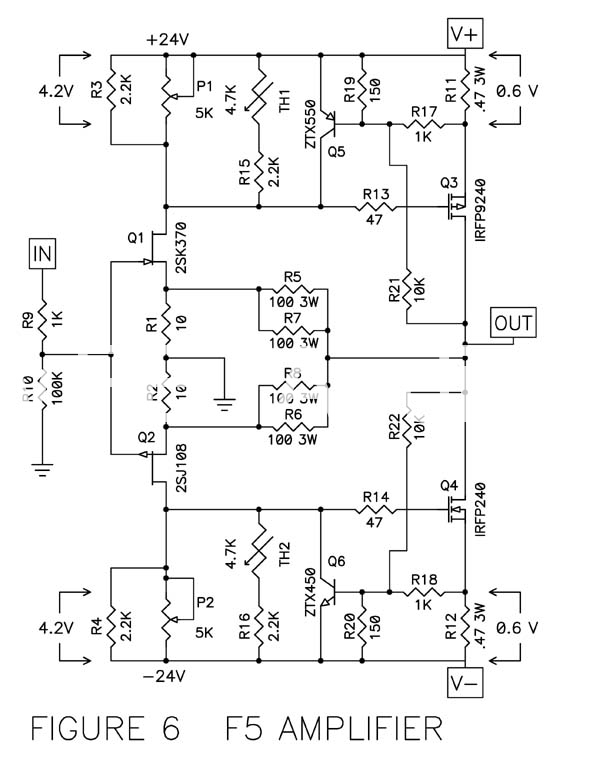
The is my new project in Oct 2009.  Making use of my original F4 casing and power supply, I can complete the two sets in about a week.   One set is using IRFP240/9240 mosfets and another set is using Toshiba 2SK1529/2SJ200 mosfets.  I only adjust the bias to about 1.2A which give about 20W at 8 ohm load.  Also I do not get the super low distortion that Nelson Pass got in his measurement. According to Nelson Pass, the distortion can be trimmed using a source resistor at the input jfets but I am too lazy to do that as I am very happy with the sound!

The sonic signature is very much similar to F4 but with a bit better control on bass.  I do not hear much difference between IRF and Toshiba F5 but the distortion of Toshiba set is almost double of that of the IRF set.

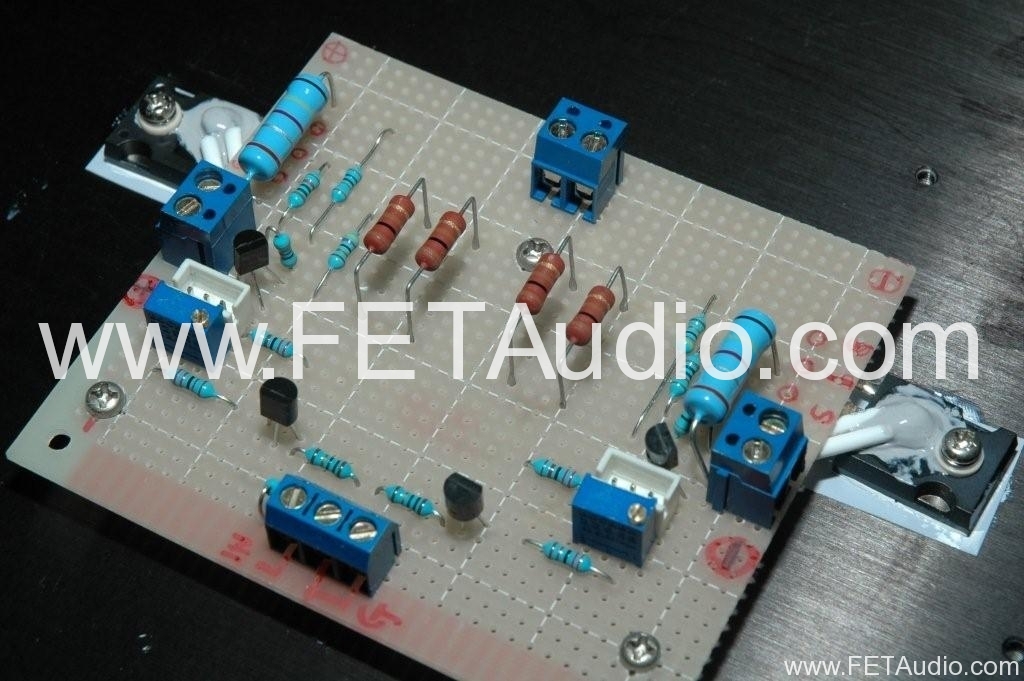
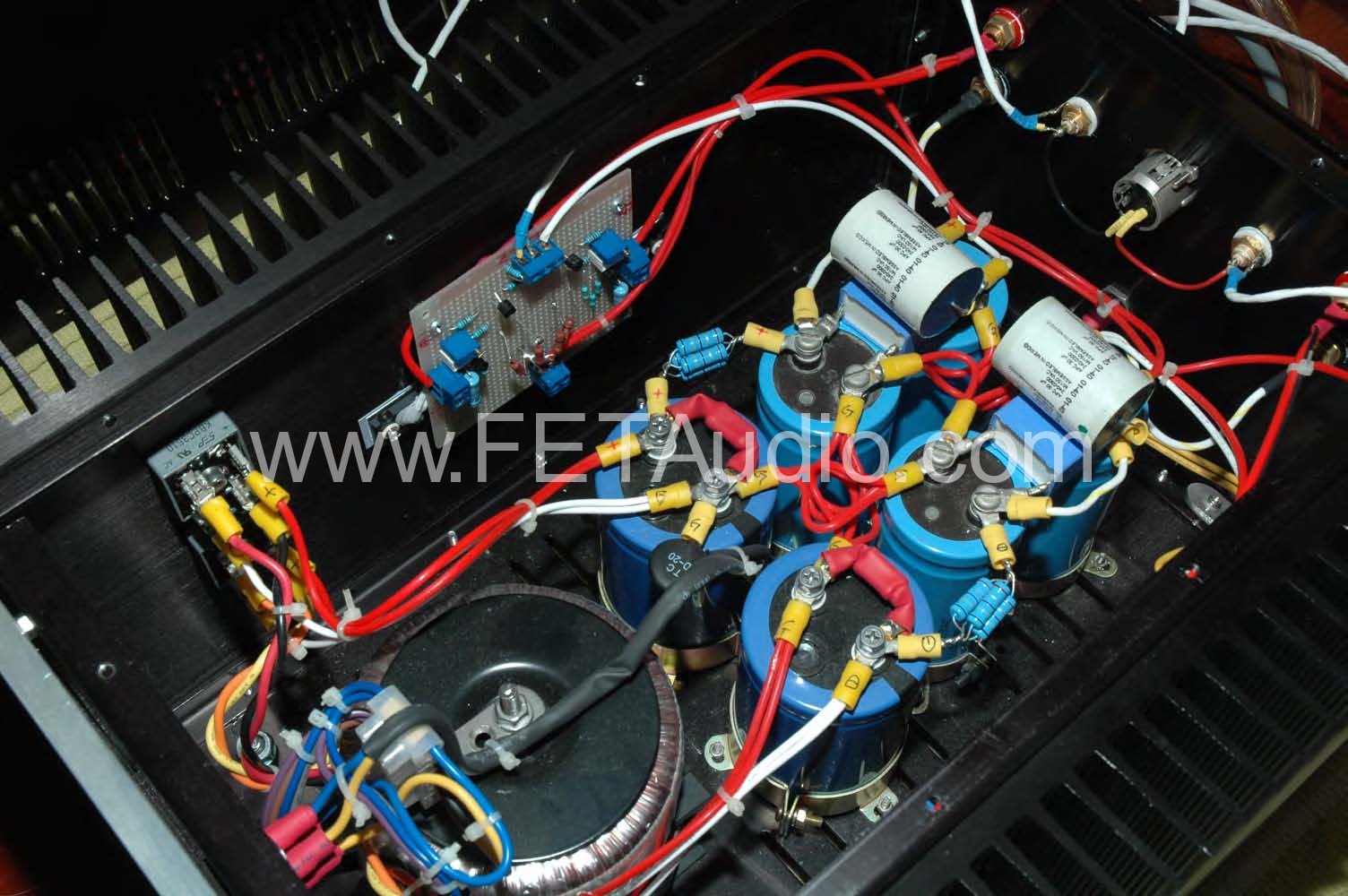
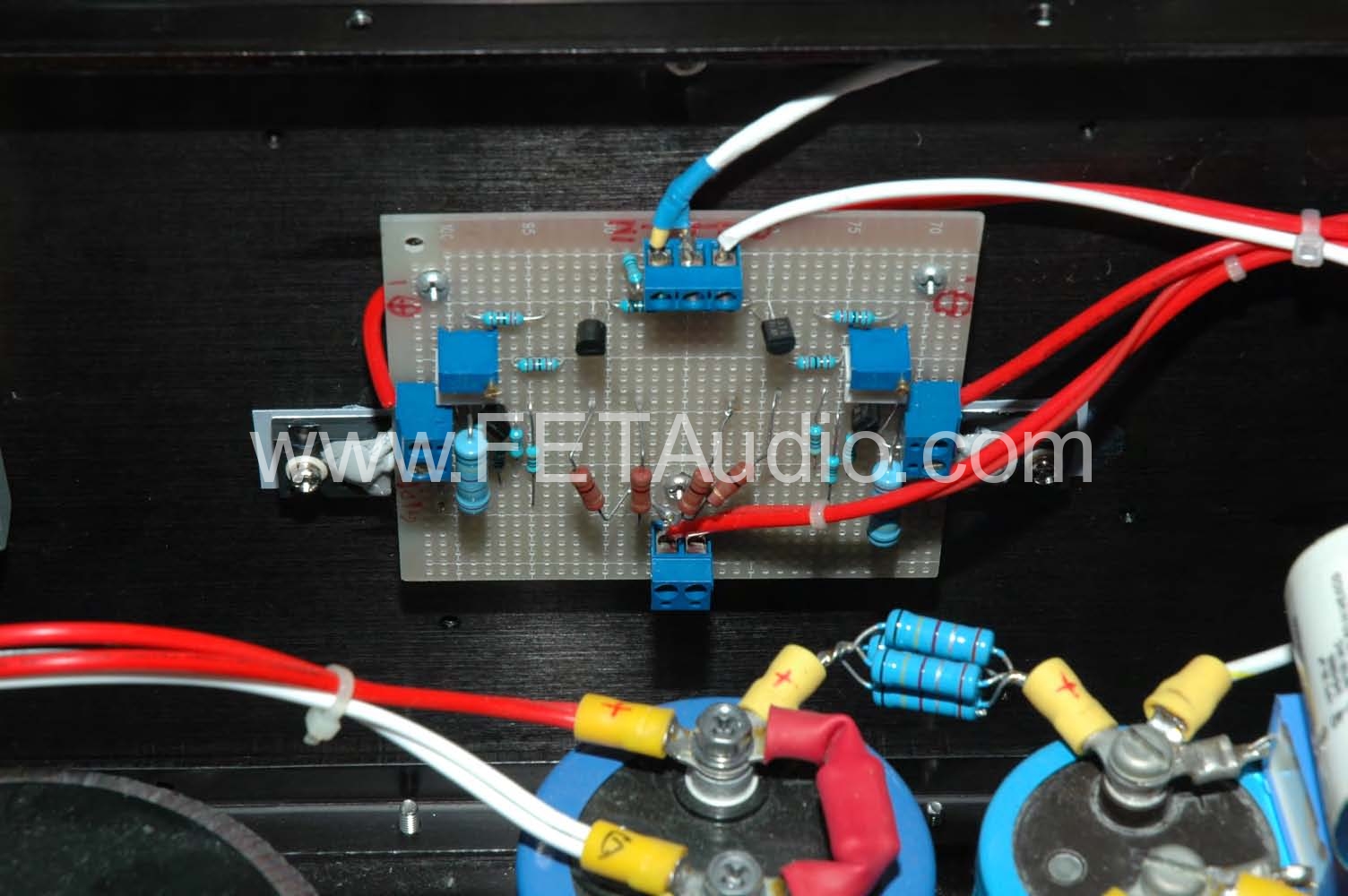
Here are some pictures of the IRF F5 and some measurements that I have.

F5 FFT IRF at 1W 8 ohm

F5 FFT IRF at 20W 8 ohm

F5 IRF distortion vs input level

Related Images:

« Newer PostsOlder Posts »

Powered by WordPress